PHONG PHAN
29/7/2025
Why Shadcn/UI Has Taken Over as the Top UI Component Library
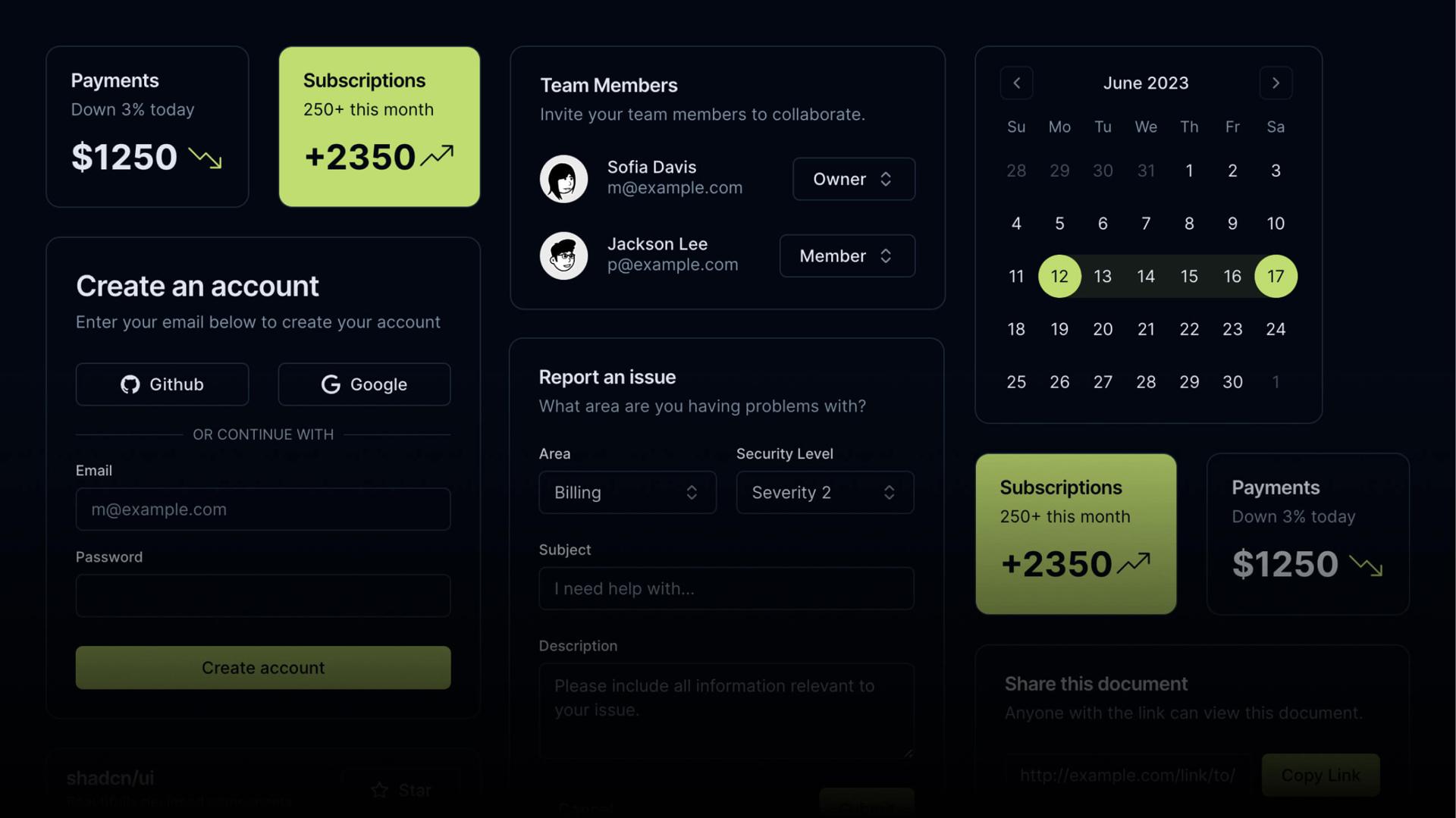
In the fast-evolving world of frontend development, Shadcn/UI has emerged as a game-changer, quickly rising to prominence since its launch in March 2023. In a short time, it has outshined established giants like Material-UI, Chakra-UI, and Ant Design, earning a spot as the go-to UI component library for developers. But what makes Shadcn/UI so special, and why is it considered not just the best choice now but also a frontrunner for the future? Let’s dive into the reasons behind its meteoric rise in this developer-friendly blog post.
Why Shadcn/UI Has Taken Over as the Top UI Component Library
In the fast-evolving world of frontend development, Shadcn/UI has emerged as a game-changer, quickly rising to prominence since its launch in March 2023. In a short time, it has outshined established giants like Material-UI, Chakra-UI, and Ant Design, earning a spot as the go-to UI component library for developers. But what makes Shadcn/UI so special, and why is it considered not just the best choice now but also a frontrunner for the future? Let’s dive into the reasons behind its meteoric rise in this developer-friendly blog post.

1. Shadcn/UI Isn’t Your Typical UI Library
Unlike traditional UI libraries like Material-UI or Chakra-UI, Shadcn/UI doesn’t come as a rigid npm package. Instead, it’s a collection of customizable, copy-paste components built on top of Radix UI and Tailwind CSS. This unique approach means you don’t install a dependency or wrestle with version conflicts. You simply copy the component code into your project and tweak it to fit your needs.
Why does this matter?
- Full control: You own the code, allowing you to tailor components to match your project’s design system without fighting against predefined styles or APIs.
- No dependencies: By avoiding npm packages, you’re free from concerns about library maintenance, deprecated dependencies, or breaking changes.
- Seamless integration: Shadcn/UI components are designed to work effortlessly with modern frameworks like React, Next.js, and Tailwind CSS.
Source: Shadcn/UI is described as an open-source code distribution platform, enabling developers to customize components without external dependencies (ui.shadcn.com).
2. Powered by Radix UI and Tailwind CSS
Shadcn/UI’s foundation lies in two powerhouse tools: Radix UI and Tailwind CSS. This combination delivers unmatched flexibility and developer experience:
- Radix UI: Provides headless components with excellent accessibility (a11y) support. These components focus on behavior, leaving styling entirely up to you. This ensures Shadcn/UI components are accessible out of the box while remaining highly customizable.
- Tailwind CSS: With its utility-first approach, Tailwind enables rapid UI development without writing custom CSS. Shadcn/UI leverages Tailwind to deliver visually appealing components that you can easily adapt to your brand.
This synergy allows Shadcn/UI to strike a perfect balance between flexibility and development speed, something that libraries like Material-UI (tied to Material Design) or Ant Design (geared toward enterprise apps) often struggle to achieve due to their prescriptive design systems.
3. Unparalleled Customization for Any Project
One of Shadcn/UI’s standout features is its customization potential. With libraries like Material-UI or Chakra-UI, aligning components with a unique design system can be a hassle, often requiring complex CSS overrides or deep dives into theme APIs. Shadcn/UI simplifies this by letting you copy and edit component code directly.
For example, need to tweak a button’s appearance? Just modify the Tailwind classes in the component’s code. This approach ensures components blend seamlessly into your project’s design while saving you time. Plus, with open-source code, you can learn from the components’ structure and apply those insights to build your own custom components.
Source: Shadcn/UI offers fully customizable components, making it easy to integrate them into any design system (ui.shadcn.com).
4. Optimized Performance, No Bloat
A common pain point with traditional UI libraries is their bundle size. Even if you only use a handful of components, you often end up with a bloated package. Shadcn/UI sidesteps this entirely by not requiring installation. You only copy the components you need, keeping your project lean.
Additionally, since Shadcn/UI uses Tailwind CSS, it benefits from Tailwind’s tree-shaking capabilities, ensuring that only the styles you actually use make it into your final build. This is a massive win for performance-critical applications, such as static websites or large-scale apps.
5. Thriving Community and Rich Ecosystem
Despite its young age, Shadcn/UI has fostered a vibrant community. Projects like Awesome Shadcn/UI (a curated list of Shadcn/UI-related resources) and platforms like shadcnblocks.com showcase the growing ecosystem, offering animations, templates, and additional components built by the community. This makes it easier for developers to find ready-to-use solutions and accelerate development.
Source: Awesome Shadcn/UI highlights a wide range of community-driven projects, from animations to custom components, reflecting Shadcn/UI’s popularity (Awesome Shadcn/UI).
Moreover, Shadcn/UI’s adoption in high-profile projects like v0.dev by Vercel demonstrates its versatility, proving it’s not just for small projects but also for enterprise-grade applications.
6. AI-Friendly and Future-Proof
Shadcn/UI is designed with the future in mind, particularly in its AI compatibility. Its open-source, composable architecture and consistent APIs make it easy for AI tools to parse, understand, and even generate new components based on its schema. This opens up exciting possibilities for developers to leverage AI in automating component creation or optimizing codebases, a feature that traditional libraries struggle to match.
Source: Shadcn/UI’s open-source nature and uniform APIs make it ideal for AI-driven development workflows.
7. How It Stacks Up Against the Competition
Let’s compare Shadcn/UI to some of the heavyweights:
- Material-UI: Great for Material Design adherents, but customization can be cumbersome and is often limited by its design constraints. Shadcn/UI offers greater flexibility without being tied to a specific aesthetic.
- Chakra-UI: Provides a solid theming system and easy-to-use components, but it still requires npm installation and can lead to bundle size issues. Shadcn/UI eliminates these concerns.
- Ant Design: Ideal for enterprise applications with a vast component library, but its complex APIs and customization challenges can be daunting. Shadcn/UI is simpler and more adaptable.
Conclusion: Why Shadcn/UI Is the Future
Shadcn/UI isn’t just a UI library—it’s a new paradigm for building user interfaces. Its blend of flexibility, performance, and customization, paired with a thriving community and forward-thinking features like AI compatibility, makes it a standout choice for developers. Whether you’re working on a small side project or a large-scale application, Shadcn/UI empowers you to create beautiful, accessible, and efficient UIs without the baggage of traditional libraries.
Ready to give it a try? Head over to ui.shadcn.com and start building with Shadcn/UI. Your next project will thank you!